Swedish Oversight Mechanisms Shaping Slot Incentives for Licensed Capital Platforms
Mara Hughes · Nov 1, 2026
Swedish Oversight Mechanisms Shaping Slot Incentives for Licensed Capital Platforms
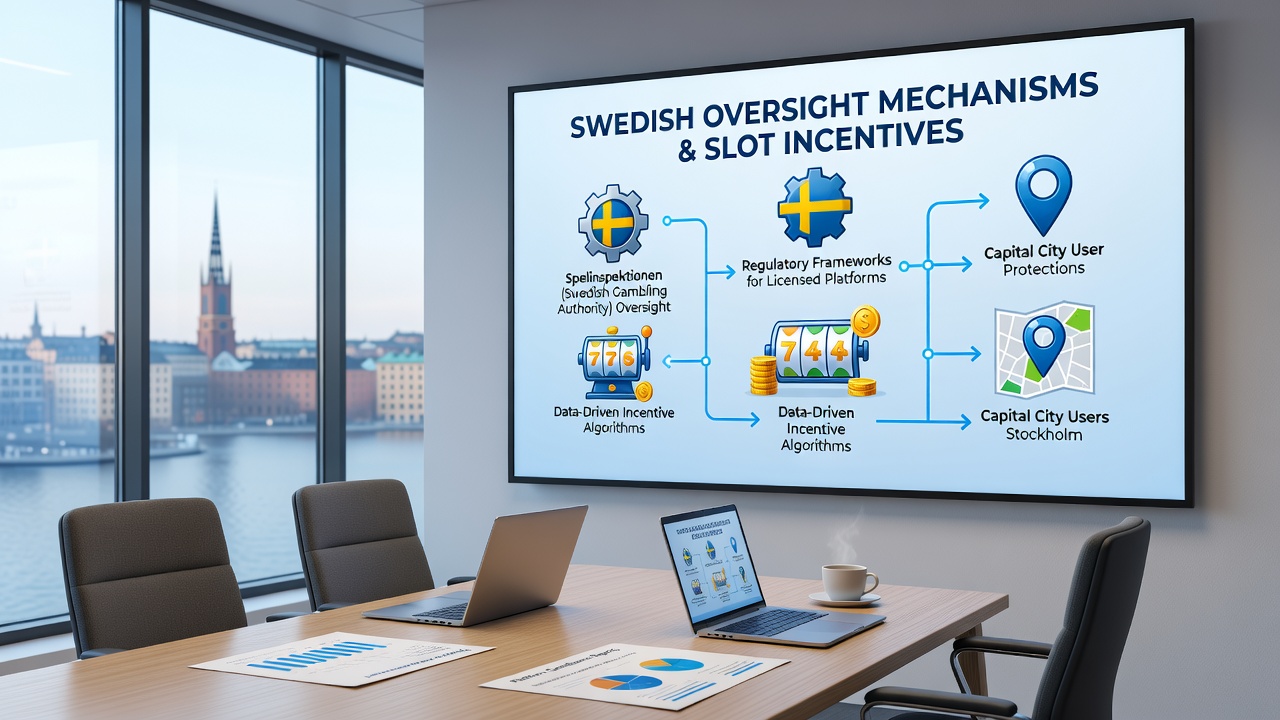
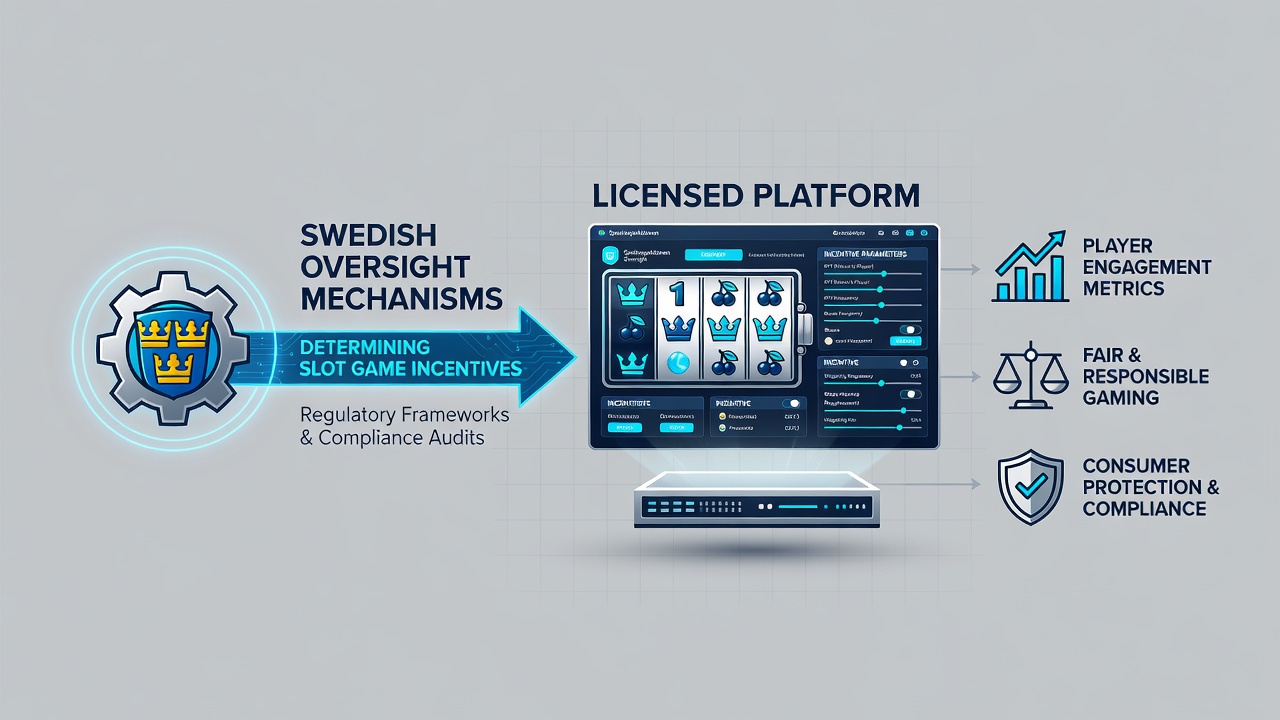
Swedish authorities maintain structured oversight over gambling operations through Spelinspektionen, the national regulator tasked with enforcing licensing conditions across online platforms that serve users in the capital region. This body reviews and approves incentive structures before operators can deploy them, which means slot game rewards must align with predefined criteria on fairness, transparency, and consumer protection. Operators submit detailed proposals that detail bonus mechanics, wagering requirements, and eligibility rules, after which regulators assess compliance with the Gambling Act and associated ordinances.
Core Functions of the Oversight Process
Supervisory reviews focus on preventing excessive promotion while allowing responsible incentives that encourage play within controlled environments. Data from regulatory filings indicate that approval rates depend on whether proposed rewards include clear time limits, maximum win caps, and exclusion from certain game types. Platforms targeting Stockholm residents operate under additional scrutiny because urban user bases often show higher engagement volumes according to aggregated market statistics released by the authority each quarter.
Inspectors evaluate how incentives interact with responsible gambling tools such as deposit limits and self-exclusion lists. When operators propose new slot rewards, they must demonstrate that these features do not undermine player safeguards already embedded in the platform software. Reviews typically occur before launch dates, and any modifications to existing offers require fresh submissions that restart the evaluation cycle.
Impact on Licensed Operators Serving the Capital
Licensed entities adjust their slot incentive strategies to match regulatory expectations that evolve over time. In practice this leads to standardized bonus formats across many platforms because deviations risk rejection during the application stage. Those who have studied licensing patterns note that capital city users encounter offers featuring identical wagering multipliers and validity periods because these elements satisfy uniform compliance benchmarks set at the national level.
Comparative analyses from international sources help illustrate Sweden's approach. Research published by the Australian Gambling Research Centre shows that nations with centralized pre-approval systems tend to produce more uniform reward structures than markets relying on post-launch audits alone. Similarly, reports from the Nevada Gaming Control Board highlight how detailed incentive vetting reduces disputes between operators and players over unclear terms. Swedish regulators incorporate elements from both models when refining their own procedures.
Developments Scheduled for Late 2026
Updated guidelines scheduled for implementation in November 2026 will introduce additional reporting obligations for operators that offer slot incentives to users in major population centers. These changes require quarterly disclosures on bonus redemption rates and average player spend tied to promotional activity. Regulators expect the new data streams to refine future approval criteria and identify patterns that warrant closer examination of particular game categories or reward types.
Operators have begun preparing internal systems to capture the required metrics, which include breakdowns by user location and game volatility levels. The authority has indicated that non-compliance with the expanded reporting will trigger license reviews, creating direct consequences for platforms that fail to meet the deadlines.
Conclusion
Swedish oversight mechanisms continue to determine the shape and availability of slot game incentives on licensed platforms through systematic pre-approval, ongoing monitoring, and scheduled policy updates. Capital city users experience these controls indirectly via the standardized offers that survive regulatory review. External research from bodies such as the Australian Gambling Research Centre and the Nevada Gaming Control Board provides context for how Sweden's framework compares with other jurisdictions that maintain similar licensing standards.