Sweden's Licensing System and Its Influence on Mobile Slot Reward Availability in Controlled Platforms
Mara Hughes · Oct 4, 2026
Sweden's Licensing System and Its Influence on Mobile Slot Reward Availability in Controlled Platforms
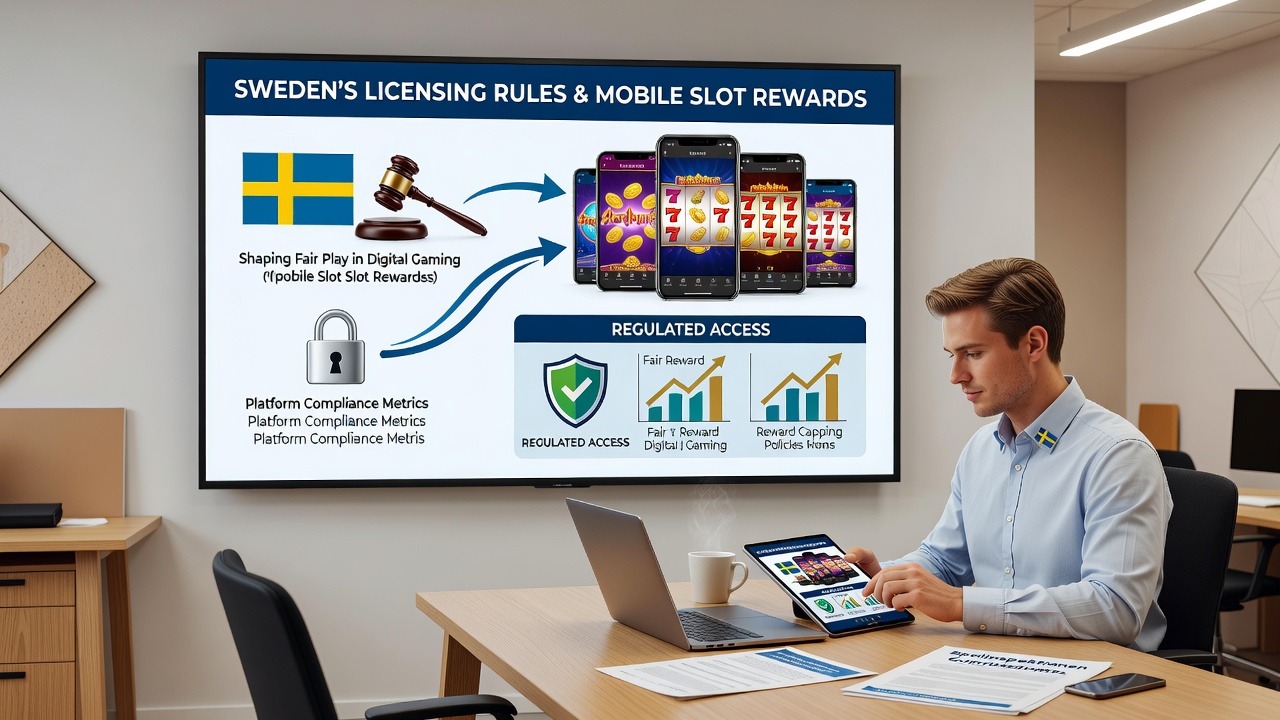
Sweden maintains a structured licensing framework through the Swedish Gambling Authority that governs how operators deliver mobile slot rewards on authorized platforms, and this system has evolved since the re-regulation of the online market in 2019 to emphasize player protection alongside market access controls. Licensed operators must adhere to specific conditions on bonus structures, verification processes, and promotional limits that directly shape what rewards become available to users accessing slots via smartphones and tablets. Data from regulatory reports indicate that these rules create consistent standards across platforms while restricting certain types of unlimited or recurring incentives that were common before the licensing regime took effect.
Core Licensing Requirements and Bonus Restrictions
Operators seeking a license from the Swedish Gambling Authority submit detailed applications that include plans for responsible gaming measures, and once approved they face ongoing audits to confirm compliance with rules on reward distribution. These requirements limit welcome bonuses to a single instance per player account, prohibit bonuses that encourage excessive play without time or value caps, and mandate clear display of terms on mobile interfaces. Research from European gaming oversight bodies shows that such constraints reduce the variety of mobile slot rewards compared to less regulated markets, yet they also ensure that available offers meet uniform transparency standards enforced across all licensed sites.
Platform operators integrate these rules into their mobile applications by building verification layers that confirm player eligibility before any reward activates, and this process often involves cross-checks with national registries that prevent multiple accounts from claiming the same incentive. Figures released by the authority reveal steady growth in licensed mobile traffic since 2019, with operators adjusting reward models to focus on deposit-match structures rather than no-deposit variants that fall outside permitted categories.
Mobile-Specific Implementation and Platform Adaptations
Mobile slot access on licensed platforms incorporates geofencing and device authentication protocols that align with licensing conditions, ensuring rewards reach only users within approved jurisdictions and verified age groups. Operators update their apps regularly to reflect any adjustments in regulatory guidance, such as changes to maximum bonus values or wagering requirements that took additional shape in updates around 2023 and continue to influence practices heading into October 2026. One study from a Nordic research institute highlighted how these adaptations lead platforms to prioritize simpler reward mechanics that comply with spending caps, resulting in mobile users encountering fewer complex multi-tier promotions than desktop counterparts on the same licensed sites.
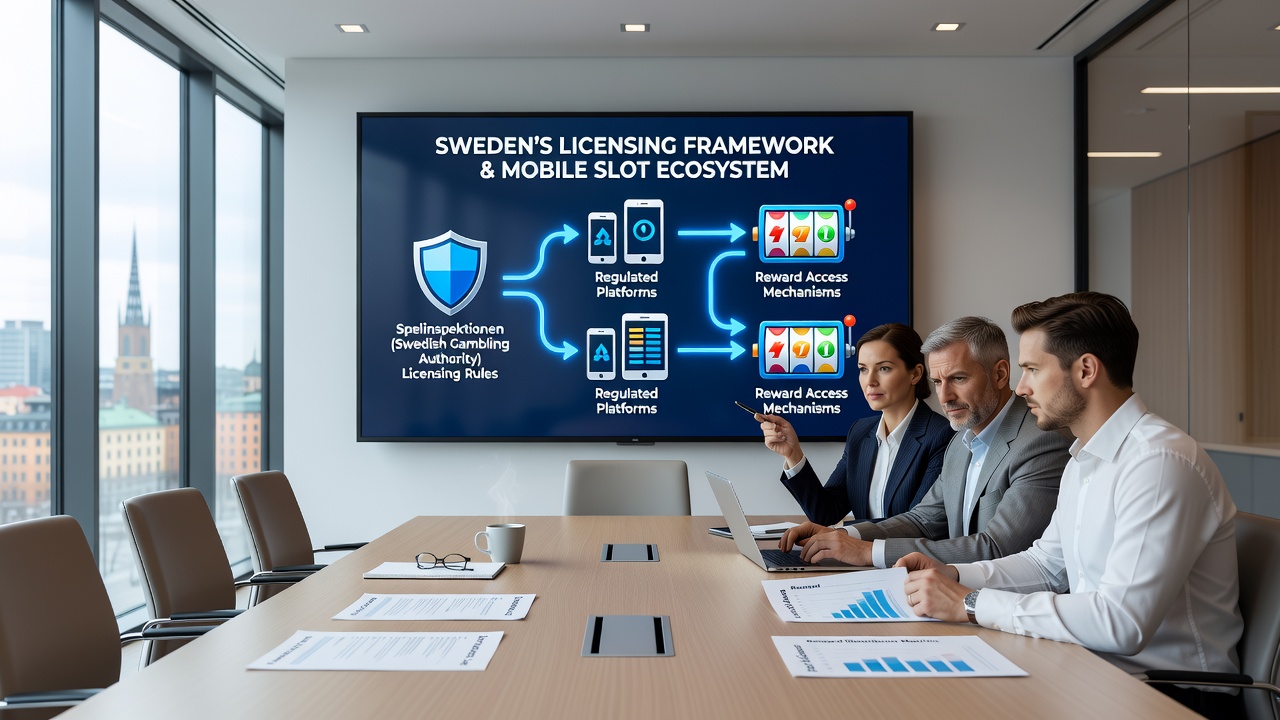
Those who have examined compliance data note that licensed operators often collaborate with software providers to embed reward triggers directly into slot games, yet these integrations must pass authority review to avoid hidden mechanics that could violate bonus guidelines. The result appears in standardized mobile interfaces where reward notifications include mandatory links to terms and self-exclusion tools, features that regulatory audits confirm across a majority of active platforms.
Effects on Player Access and Market Dynamics
Licensing rules channel mobile slot rewards toward verified accounts that meet deposit and activity thresholds, which narrows immediate access for new users while expanding long-term availability for those who maintain compliant profiles. Reports from international gaming associations indicate that Sweden's model produces lower average bonus values per session than markets with lighter oversight, yet it correlates with higher retention rates among players who receive clearly defined rewards. In October 2026, ongoing reviews of mobile data traffic are expected to inform further refinements to these access parameters, particularly around real-time reward capping during extended play sessions.
Observers tracking the sector point to case examples where operators revised their mobile reward systems after authority feedback, shifting from percentage-based matches to fixed-value credits that align more closely with spending limits. This adjustment process demonstrates how licensing enforcement shapes the practical delivery of incentives without eliminating them entirely from regulated environments. External analyses from bodies such as the Australian Gambling Research Centre compare these patterns to other jurisdictions and find that Sweden's approach maintains stricter controls on reward frequency while supporting consistent platform availability.
Future Adjustments and Compliance Trends
Regulatory updates scheduled for review in late 2026 may introduce additional mobile verification steps for reward claims, building on existing frameworks that already require operators to log every incentive activation. Industry reports from Canadian regulatory sources suggest that similar layered verification models elsewhere have stabilized reward access patterns without reducing overall platform usage. Swedish licensees continue to refine their systems in anticipation of these developments, focusing on seamless integration that keeps mobile slot rewards functional within the established boundaries.
Conclusion
Sweden's licensing system establishes clear boundaries around mobile slot reward access by requiring operators to follow uniform standards on bonuses, verification, and transparency that apply across all authorized platforms. These rules, enforced through ongoing audits and application reviews, determine the types of incentives available while promoting consistent compliance. As the framework approaches further evaluation in October 2026, data from regulatory and independent sources show its ongoing role in structuring reward distribution for mobile users in the controlled market.